
วันที่นำเข้าข้อมูล 27 ต.ค. 2569
วันที่ปรับปรุงข้อมูล 27 ต.ค. 2569
Thailand–Mozambique Seafood Processing Incubator Project (2025–2026)
Background and Objectives
The Thailand–Mozambique Seafood Processing Incubator Project (2025–2026) is a flagship development cooperation initiative of the Royal Thai Embassy in Maputo, implemented under the Government of Thailand's Thailand–Africa Initiative. The project aims to strengthen Mozambique's seafood processing sector through capacity building, technology transfer, product development, and the promotion of sustainable economic opportunities for local communities.
Building upon the earlier Thailand–Mozambique Seafood Value Addition Project (2022–2023), the initiative seeks to address challenges faced by small-scale fishing communities, particularly post-harvest losses, limited food preservation facilities, and insufficient access to value-added processing technologies.
The project is implemented through a Public–Private Partnership (PPP) involving the Royal Thai Embassy in Maputo, the Thailand International Cooperation Agency (TICA), Thailand's National Food Institute (NFI), Mozambique's Institute for the Promotion of Small and Medium Enterprises (IPEME), and the Higher School of Rural Development (ESUDER) of Eduardo Mondlane University, with financial support from PTT Exploration and Production Public Company Limited (PTTEP).
The initiative places particular emphasis on empowering local fishermen, small and medium-sized enterprises (SMEs), students, and entrepreneurs to transform locally available seafood into higher-value products, generate additional income, and strengthen food security and community resilience.
Project Implementation and Capacity Building
The project commenced in 2025 with consultations, technical assessments, and coordination among Thai and Mozambican stakeholders to identify local needs and establish a sustainable seafood processing incubator in Vilankulo, Inhambane Province.
Phase I: Capacity Building in Thailand (July–August 2025)
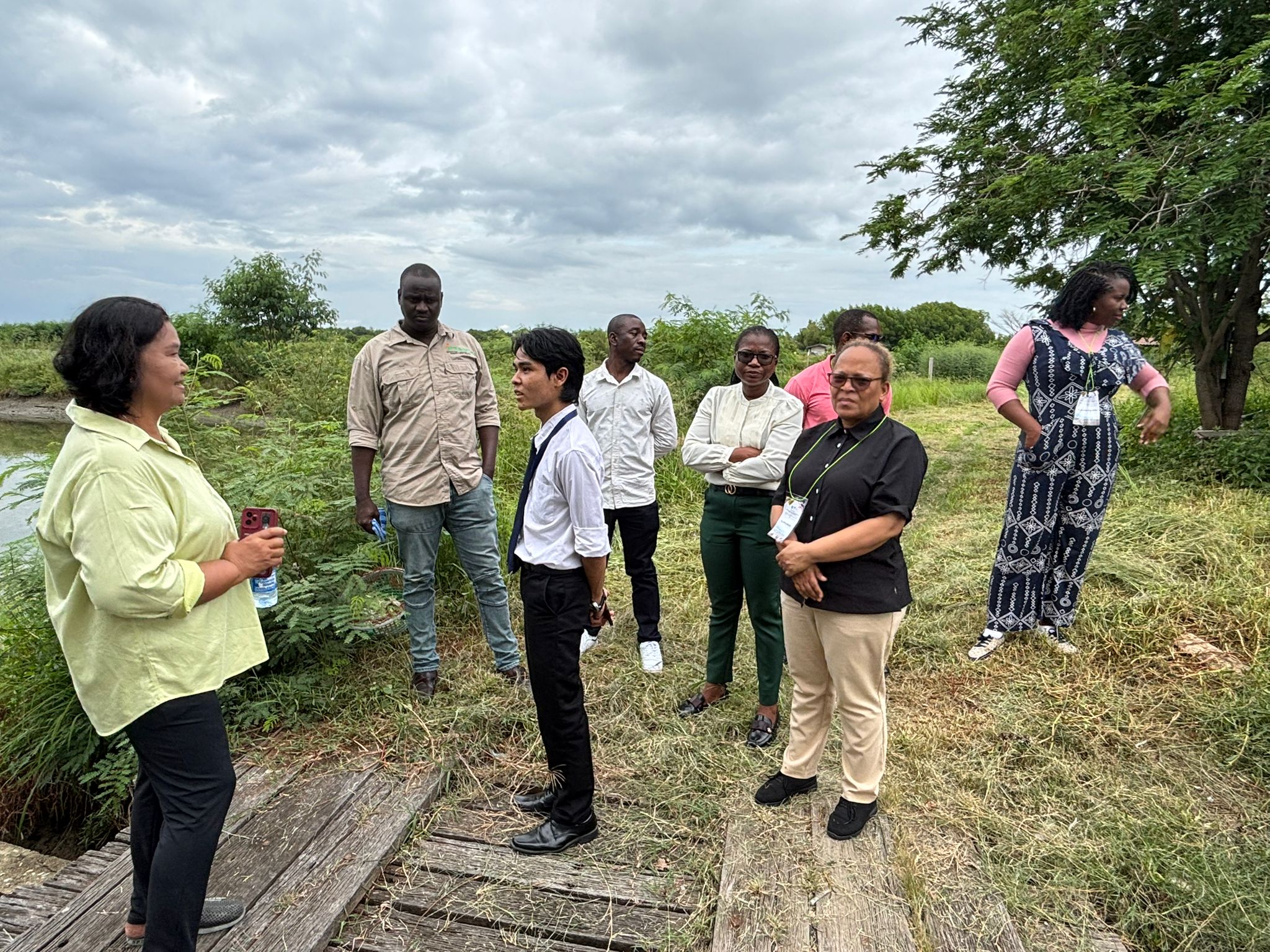
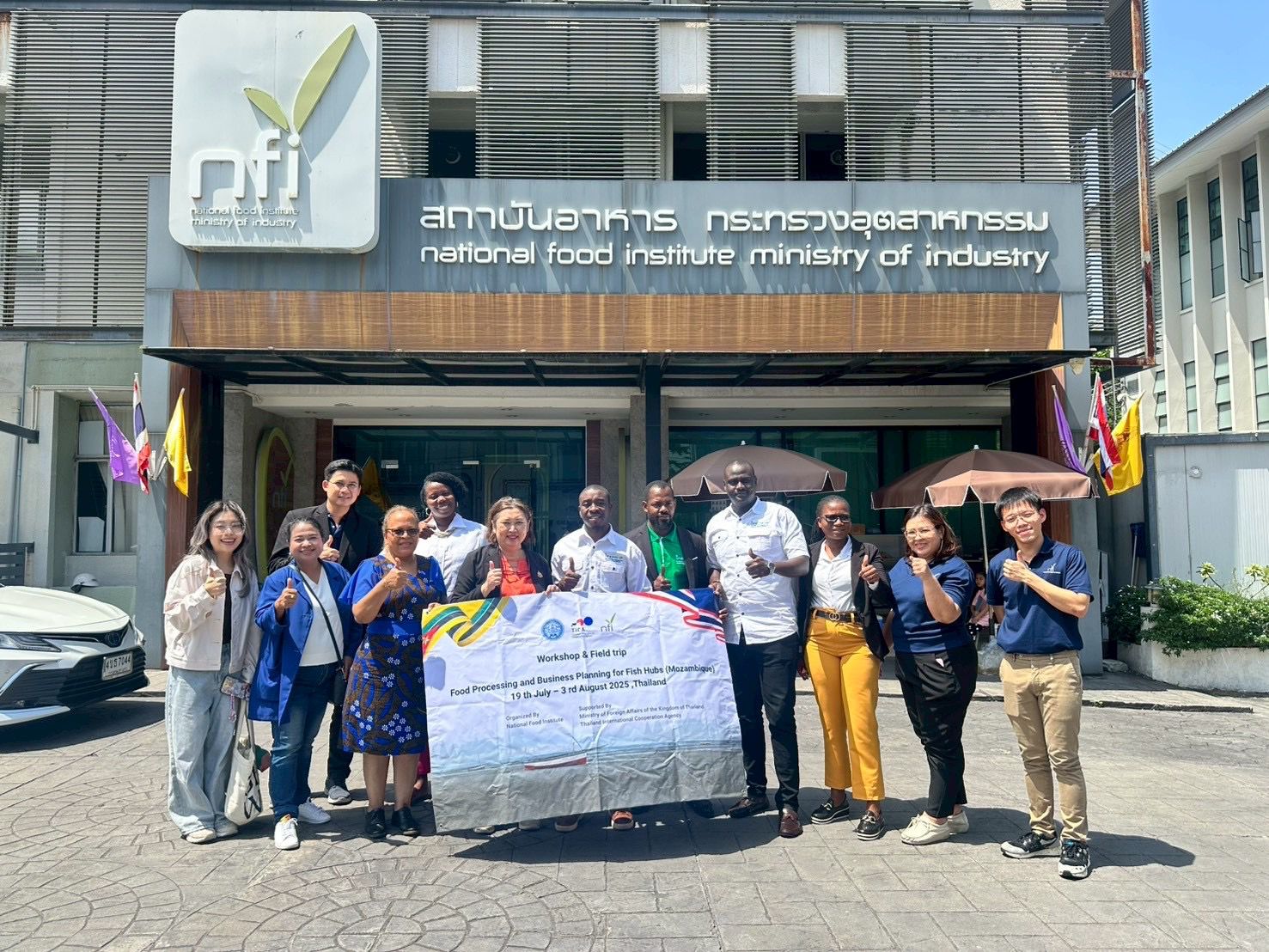
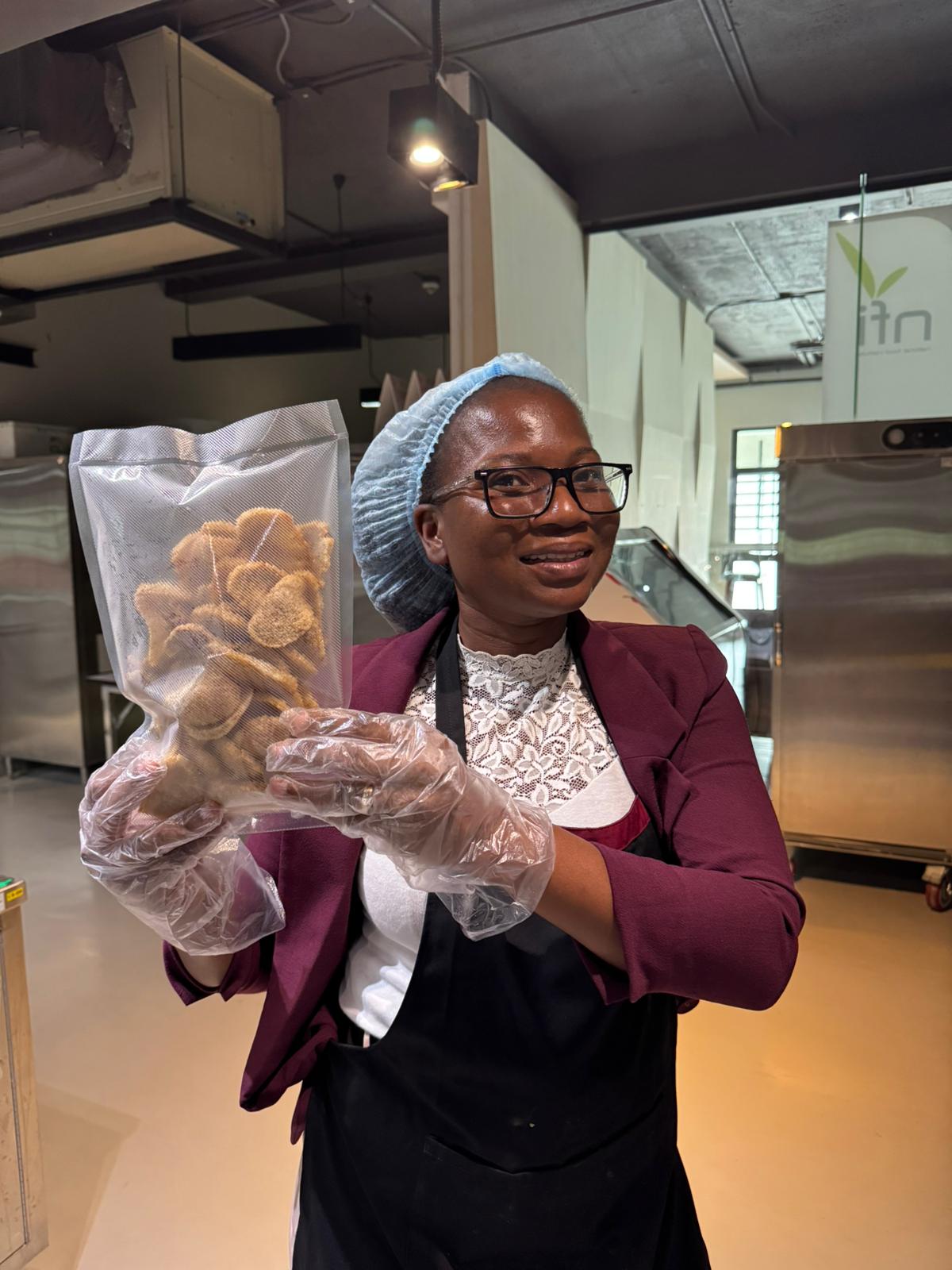
From 19 July to 3 August 2025, six Mozambican representatives participated in the training programme entitled "Food Processing and Business Planning for Fish Hubs" in Bangkok, Thailand.
Organised with technical expertise from Thailand's National Food Institute, the programme provided participants with practical knowledge in seafood processing and preservation, food hygiene and quality standards, business planning, product design, branding, and marketing. The training also included study visits and hands-on activities to introduce Thailand's experience and technologies in the food processing industry.
Following their return to Mozambique, the participants were expected to serve as key personnel in transferring knowledge and supporting the establishment of the seafood processing incubator.
Phase II: Establishment of the Seafood Processing Incubator in Mozambique (September 2026)
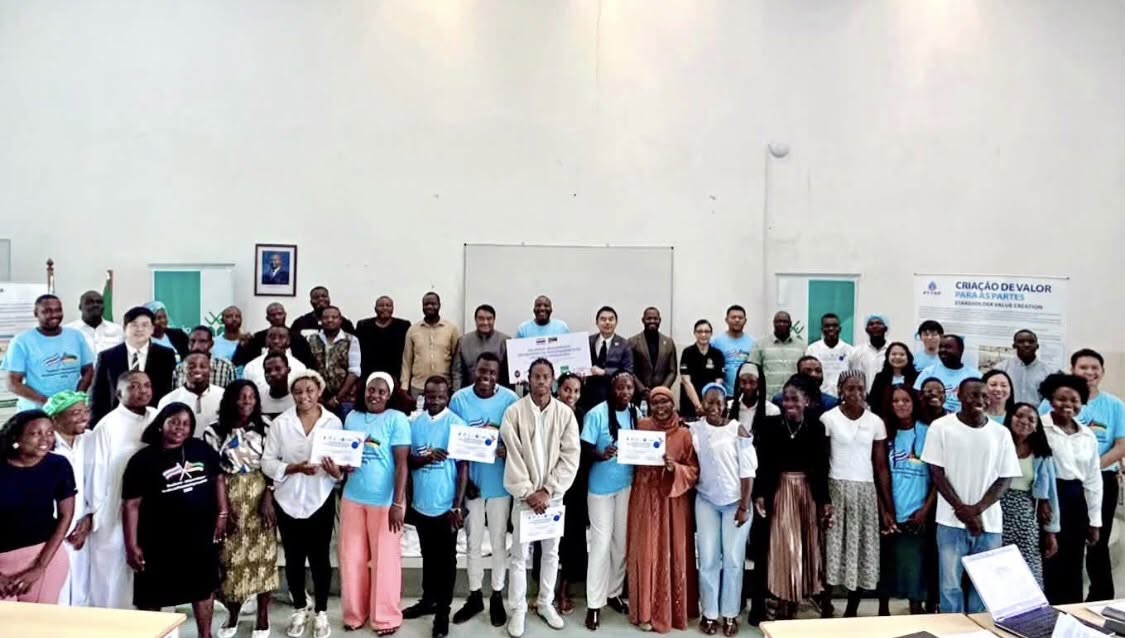
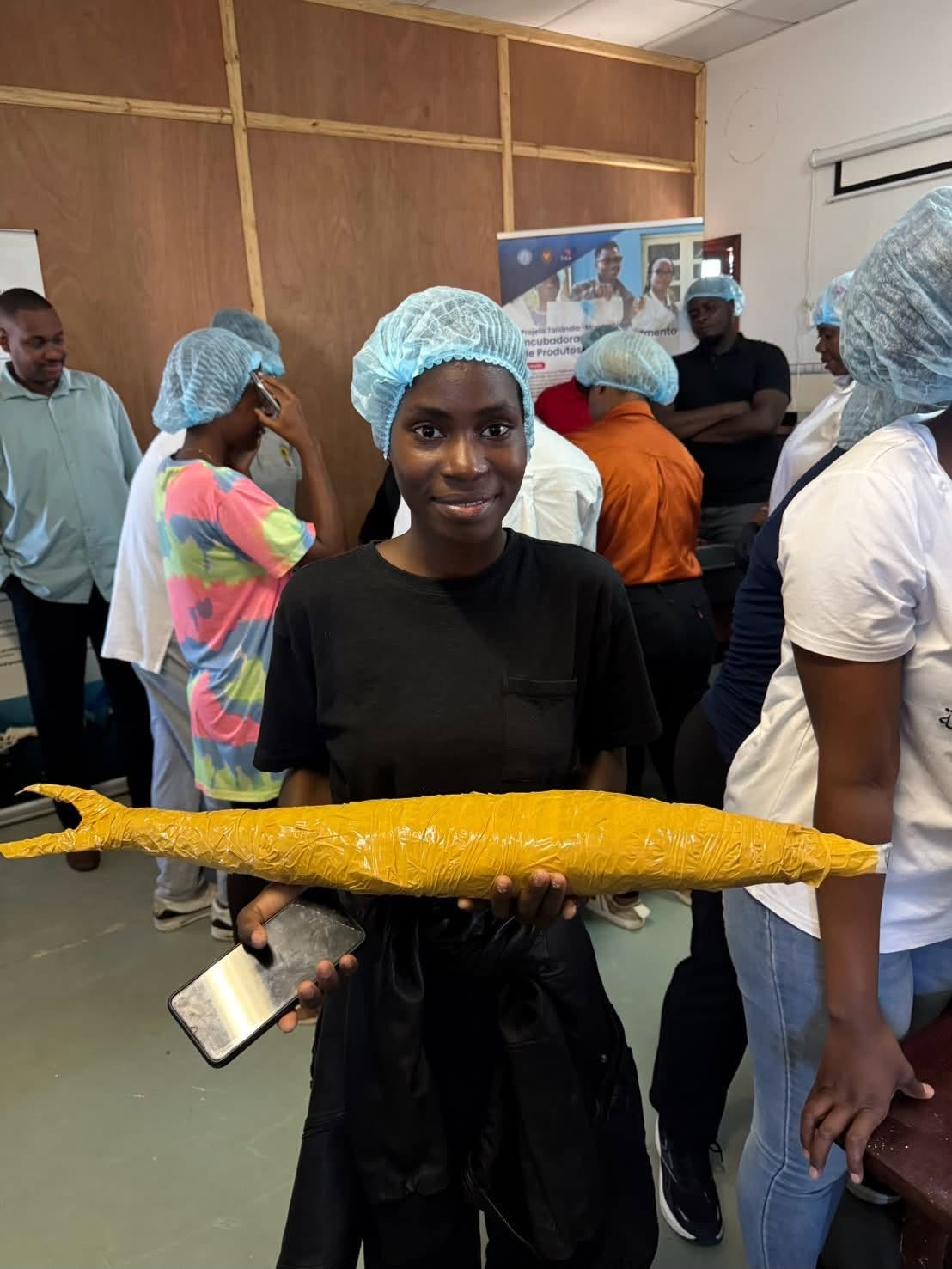
From 14 to 17 September 2026, the Royal Thai Embassy in Maputo, in collaboration with TICA, NFI, IPEME, and ESUDER, organised practical seafood processing and value addition training at ESUDER in Vilankulo, Inhambane Province.
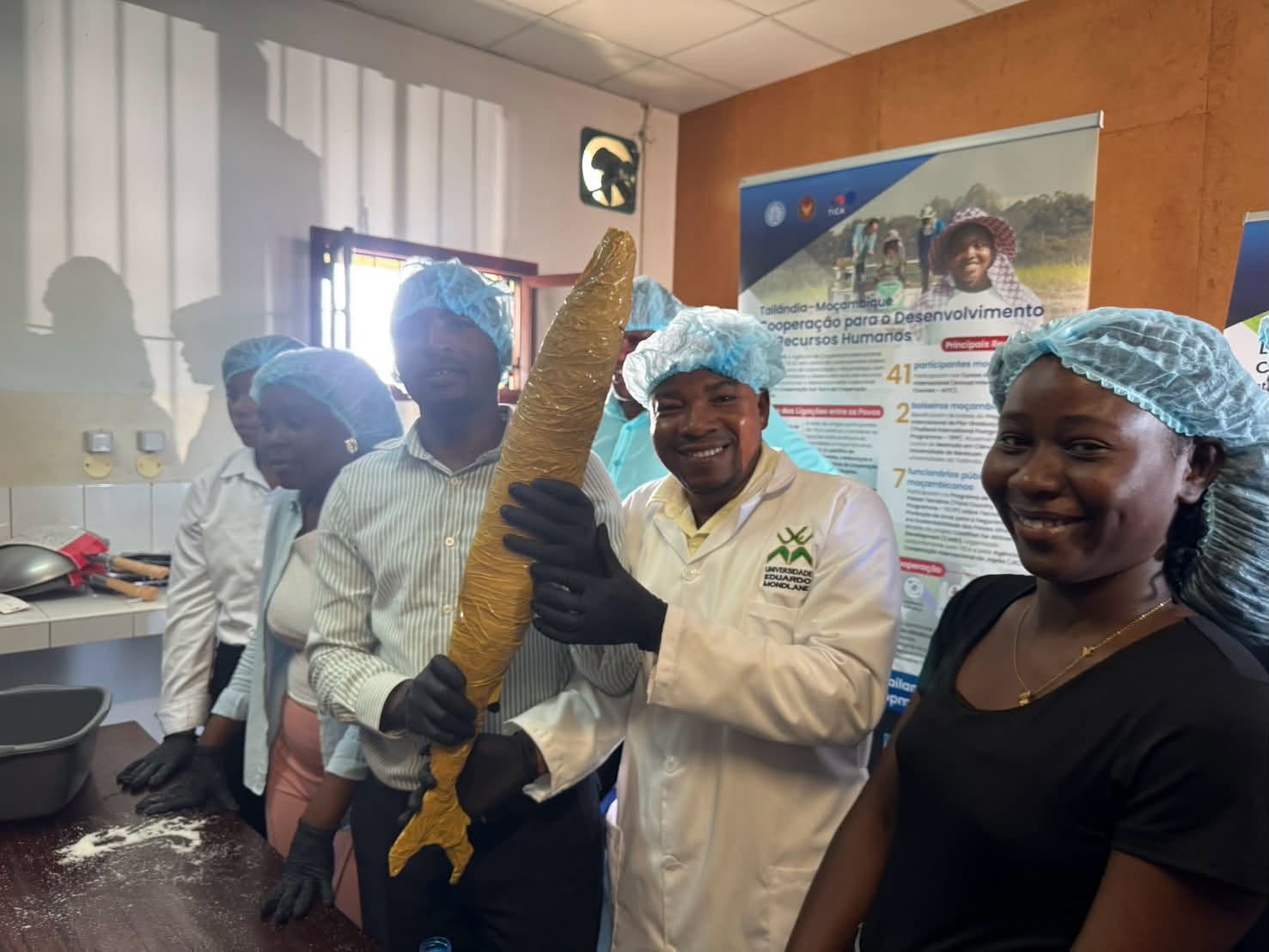
The training brought together 38 participants, including local fishermen, agricultural and fisheries students, SME entrepreneurs, lecturers, and relevant Mozambican officials.
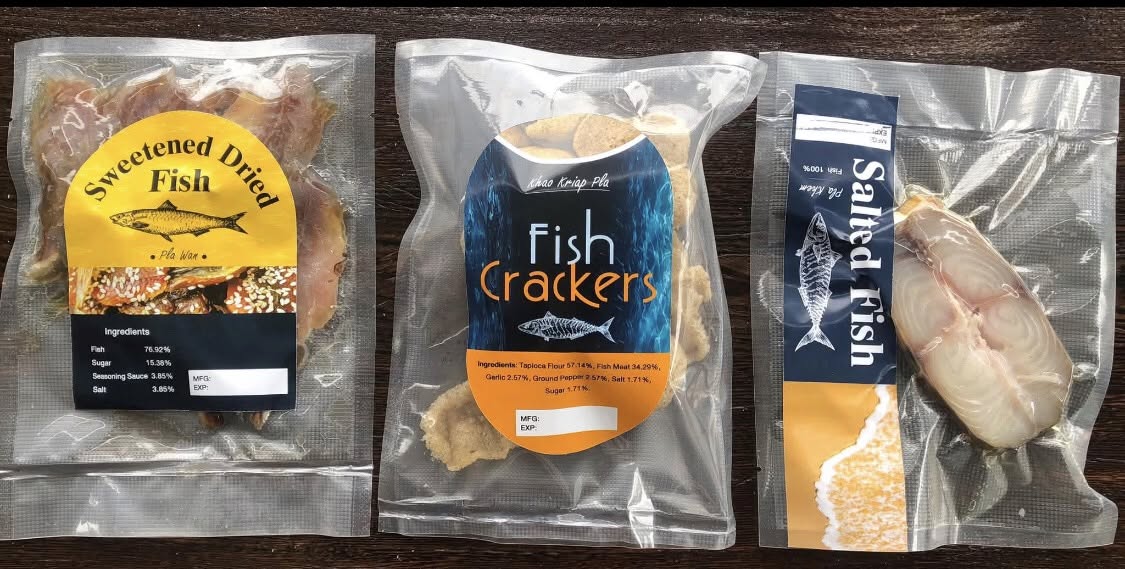
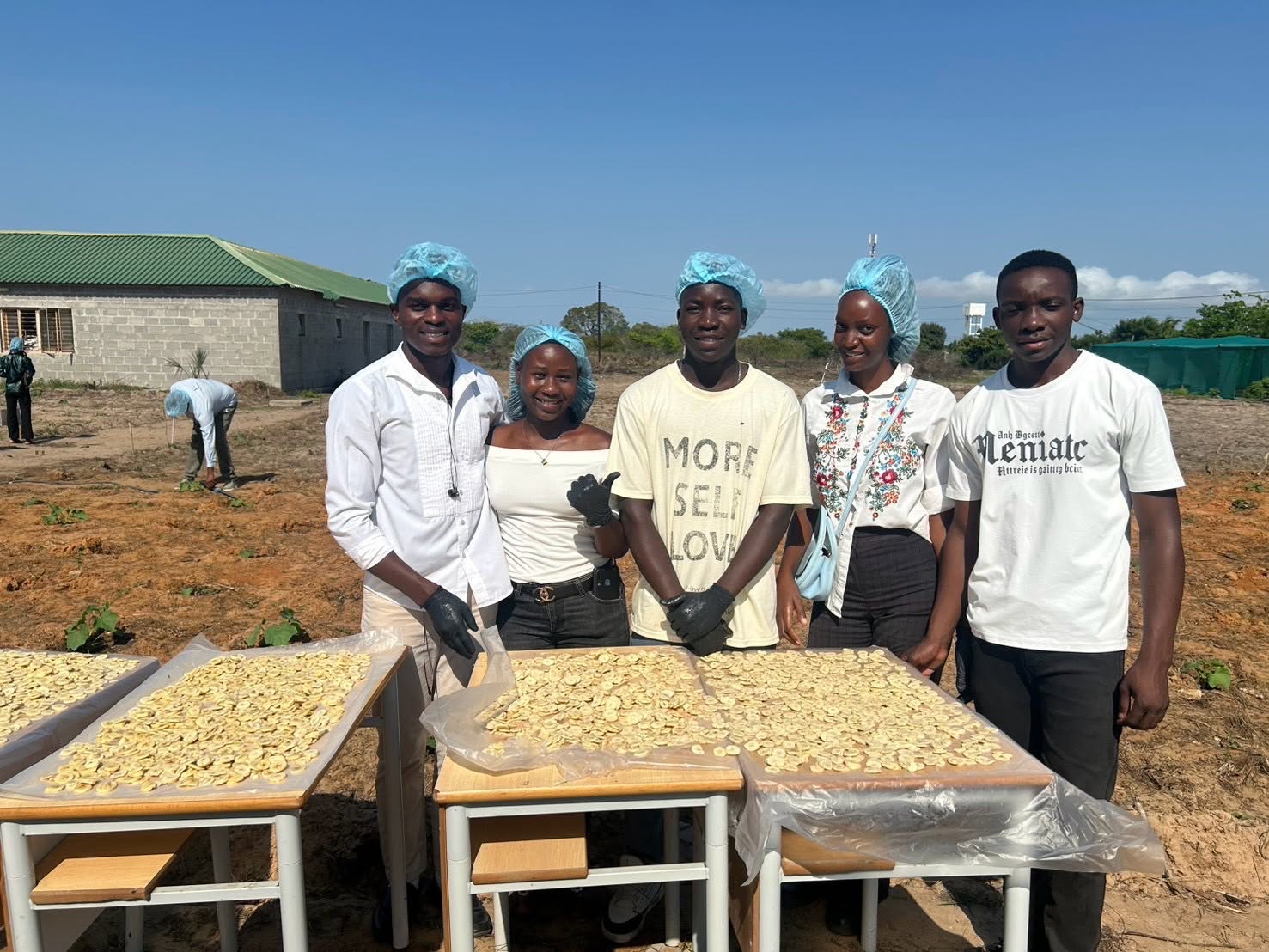
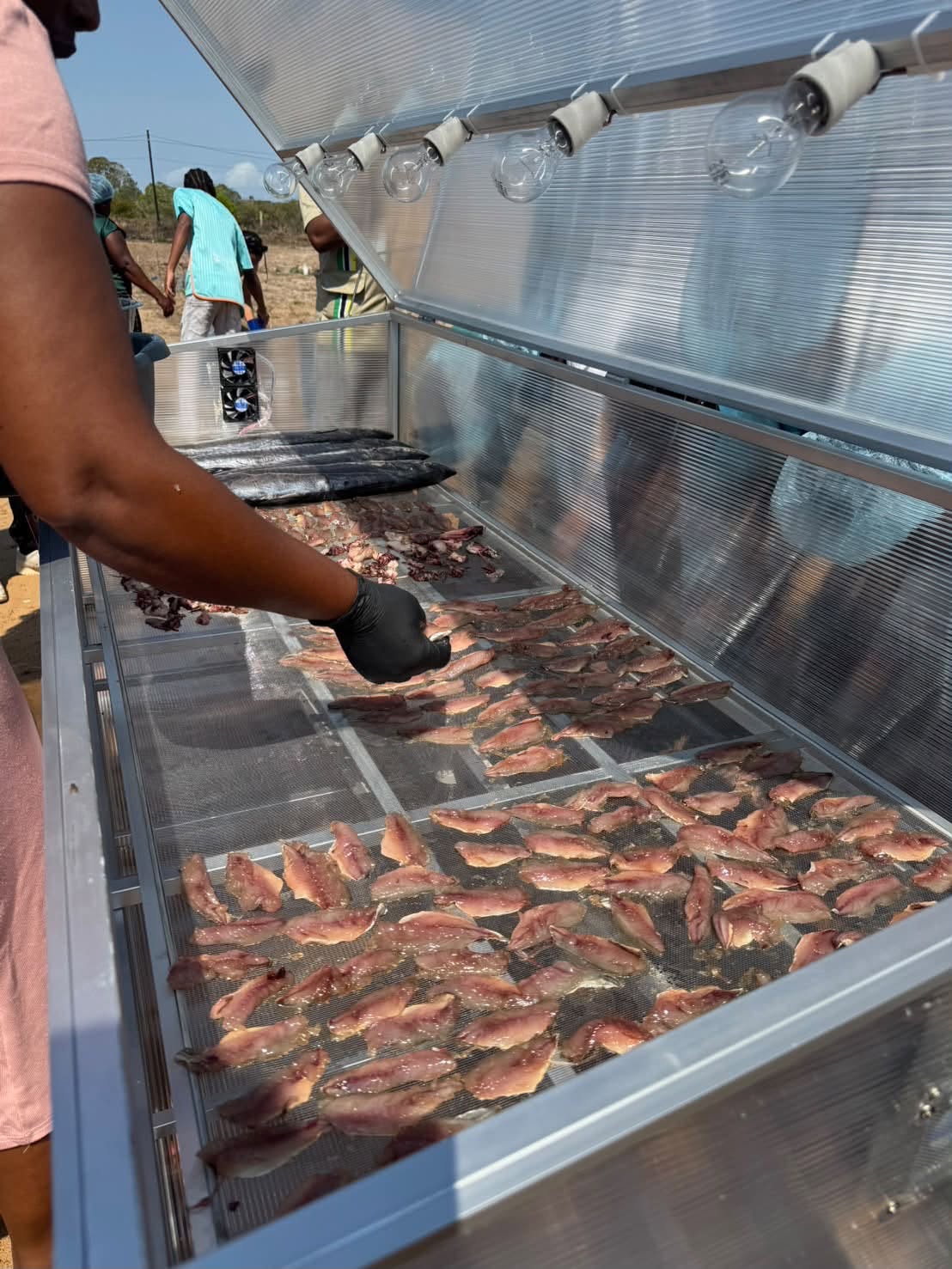
Thai experts from the National Food Institute provided training on raw material selection, seafood preservation, food safety, hygiene, quality control, packaging, and product development. Participants gained hands-on experience in transforming locally available seafood, including mackerel, horse mackerel, and squid, into value-added products such as salted fish, fish crackers, sweetened fish, and seasoned dried squid.
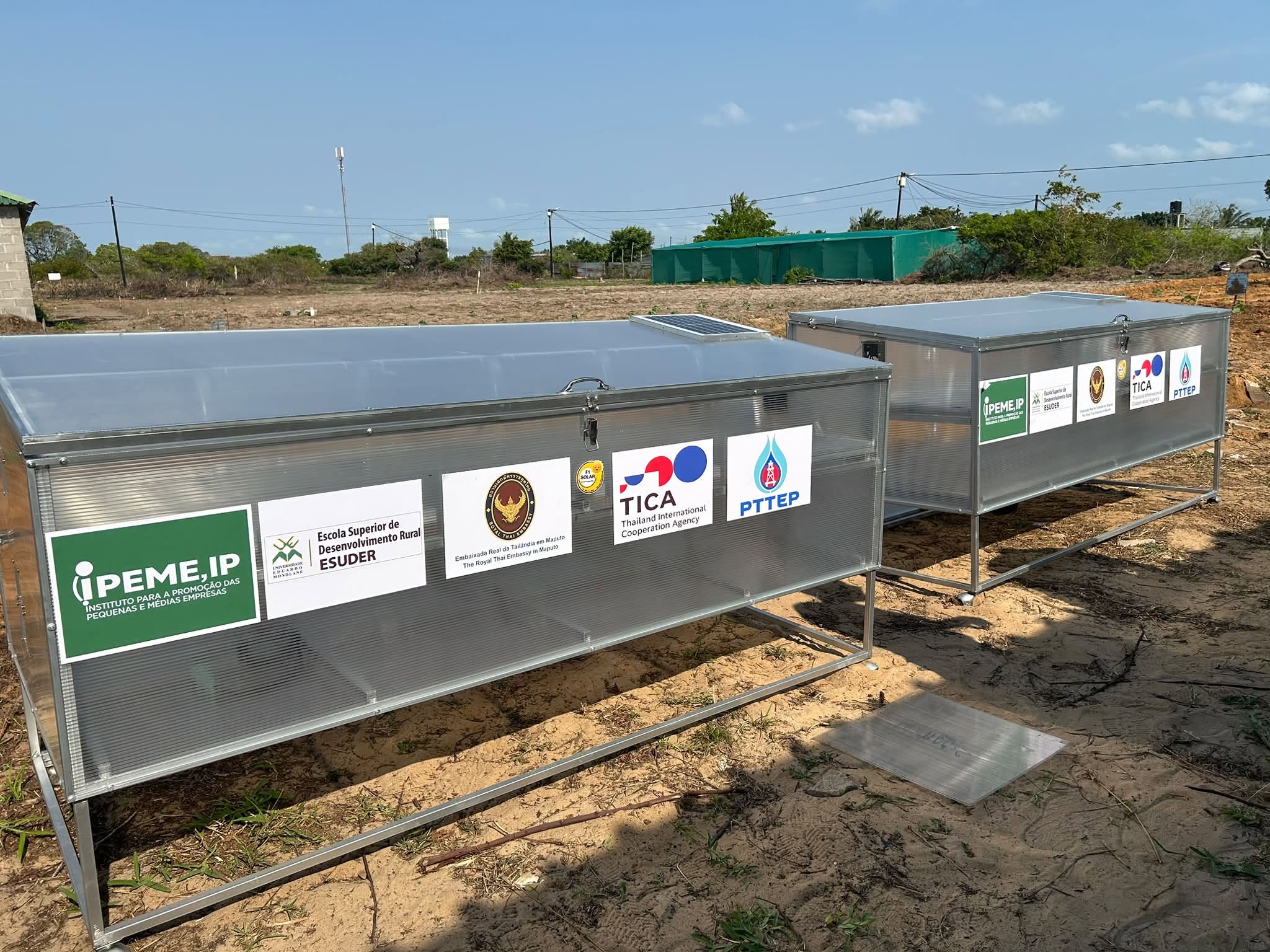
The programme also introduced solar-powered drying technology as an affordable and environmentally friendly solution for preserving seafood and agricultural products, reducing post-harvest losses, and extending product shelf life.
Equipment Handover and Establishment of a Local Training Centre
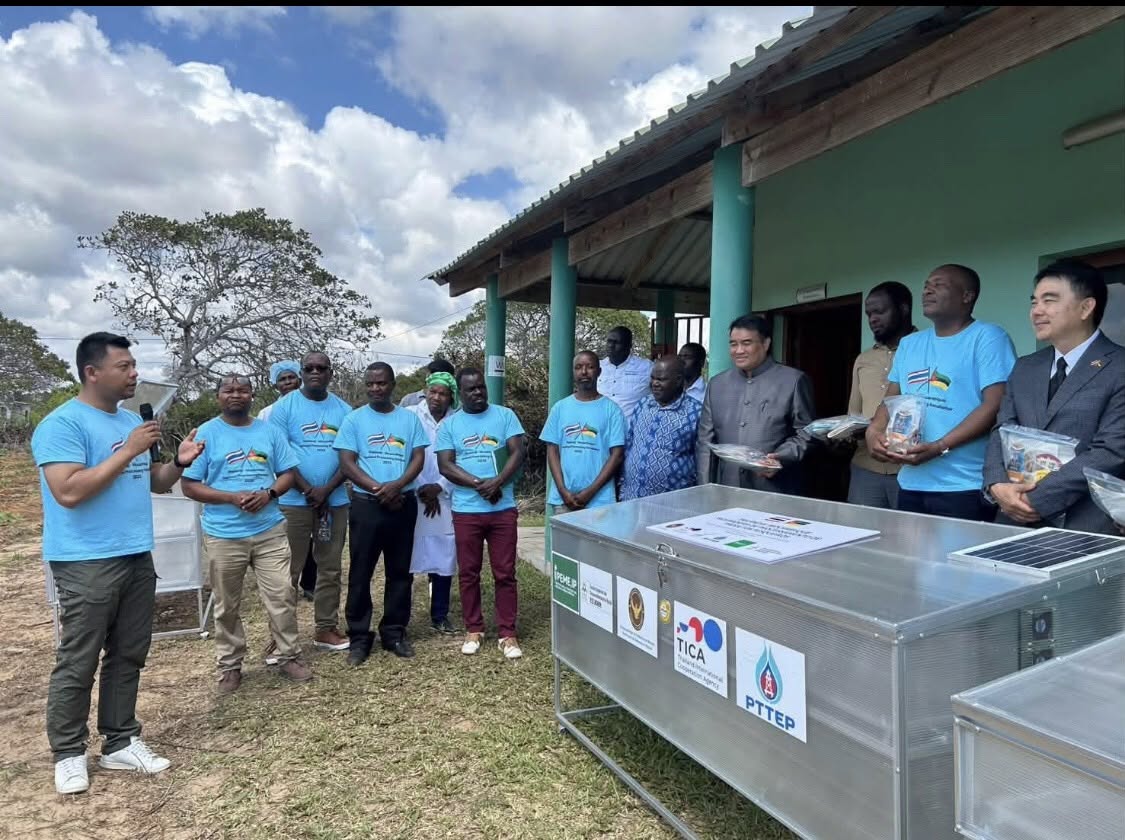
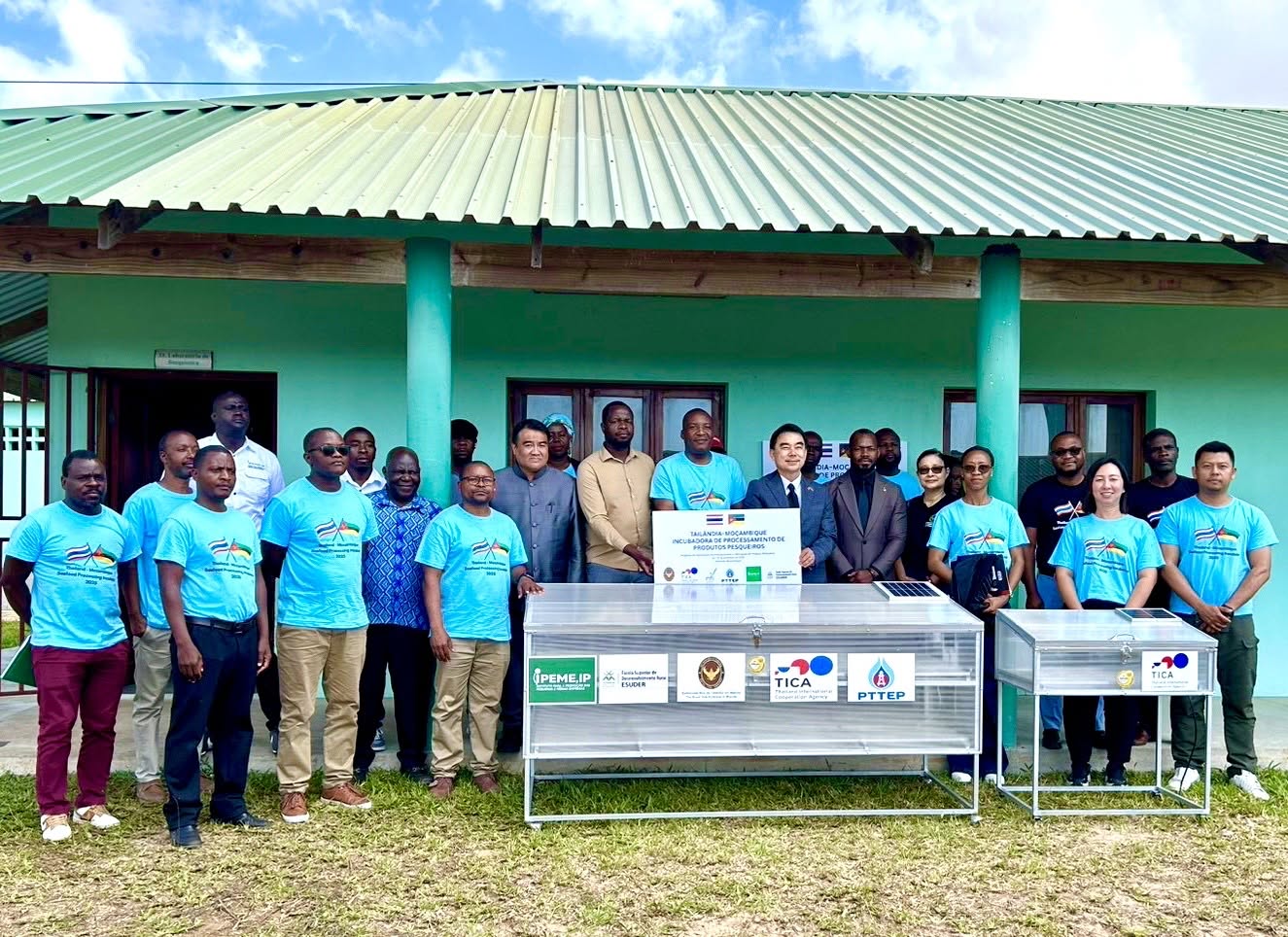
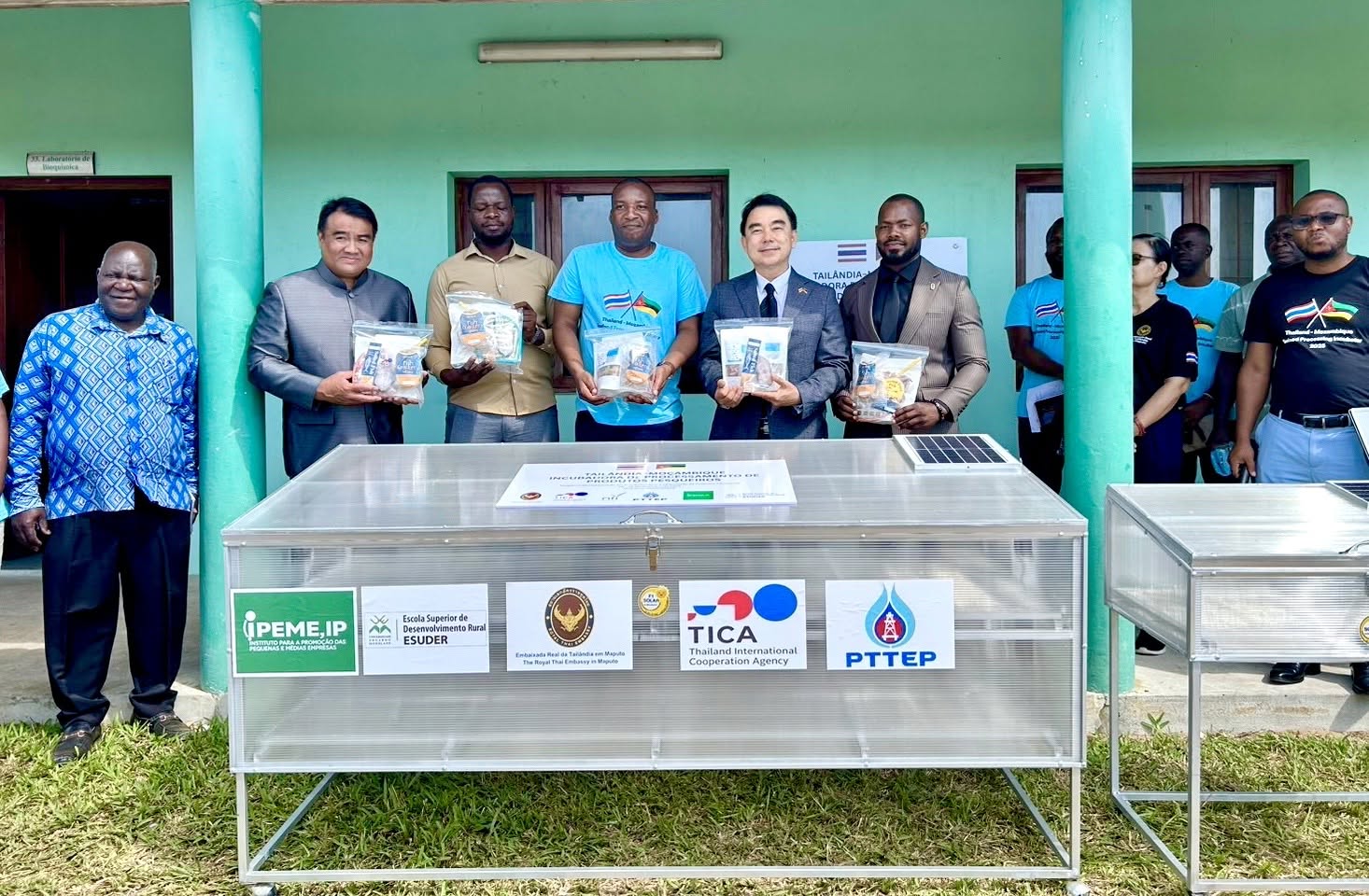
On 18 September 2026, H.E. Mr. Bancha Yuenyongchongcharoen, Ambassador of the Kingdom of Thailand to Mozambique, presided over the closing ceremony and official handover of equipment to ESUDER, together with representatives of TICA, IPEME, local authorities, and project participants.
The Thai side provided three solar-powered drying machines manufactured in Thailand, freezing equipment, and a comprehensive range of seafood processing tools and materials to support the establishment and continued operation of the Thailand–Mozambique Seafood Processing Centre at ESUDER.
The Centre is intended to serve as a sustainable platform for practical training, knowledge transfer, product innovation, and entrepreneurship development, enabling local communities to continue benefiting from Thai expertise beyond the initial project period.
To enhance sustainability and local ownership, Thailand also encouraged cooperation with local technical institutions and metalworkers to explore the possibility of manufacturing affordable solar dryers using locally available materials.
Expected Development Impact and Sustainability
The project contributes to Mozambique's local economic development by strengthening human resources, promoting appropriate technology, and enhancing the value of locally available marine resources.
By equipping fishermen and entrepreneurs with practical processing and preservation skills, the initiative aims to reduce food losses, improve product quality, create employment opportunities, and increase household income.
The project also demonstrates the benefits of cooperation among government agencies, academic institutions, and the private sector in advancing sustainable development. PTTEP's participation, alongside its investment in Mozambique's energy sector, reflects the broader contribution of Thai businesses to local capacity building and community development.
Following the completion of the initial phase in September 2026, Thailand and Mozambique have discussed opportunities to further develop the incubator through advanced food processing techniques, improved packaging, branding, marketing, and market access.
Potential future activities also include expanding the application of solar drying technology to agricultural products, strengthening local entrepreneurship, and exploring opportunities to replicate the initiative in other coastal provinces, particularly Cabo Delgado.
Strengthening Thailand–Mozambique Development Partnership
The Thailand–Mozambique Seafood Processing Incubator Project reflects Thailand's commitment to sharing knowledge, expertise, and appropriate technologies with development partners through South–South Cooperation.
Beyond the transfer of equipment and technical skills, the initiative represents a long-term partnership focused on strengthening local institutions, empowering communities, and creating sustainable economic opportunities.
By combining Thailand's expertise in food processing with Mozambique's abundant marine resources and local development priorities, the project serves as a practical model of Thailand–Mozambique cooperation in promoting inclusive and sustainable development.
ROYAL THAI EMBASSY IN MAPUTO, MOZAMBIQUE
เวลาทำการ : วันจันทร์ - วันศุกร์ เวลา 09.00 - 17.00 น.
เวลาทำการฝ่ายกงสุล : 09.30 - 12.30 น.